
In today’s world, the relevance of interior design choices is becoming increasingly important. Every time we look back at old photos of our living rooms or draw inspiration from social media, we risk discovering that what once seemed ultra-fashionable now makes professionals cringe. Why does this happen? Why do even the most sought-after trends suddenly become a source of disappointment for seasoned designers? This question concerns not only homeowners but also the experts themselves, who rely on personal experience and market analysis. Which once-popular ideas have become a real stumbling block for the industry, and should they still have a place in modern spaces?
Interior trends, much like fashion, follow a cyclical pattern and are influenced by cultural, social, and even economic trends. Looking back over the years, it’s easy to see how items once considered the epitome of good taste suddenly lose relevance and start to feel dull. Experts argue that copying other people’s ideas rarely brings the desired results — individuality disappears, and a space turns into a soulless template. For example, the popularity of office or industrial styles quickly faded, leaving behind countless identical apartments and homes. Professional designers warn: to chase every new trend is a path to disappointment.
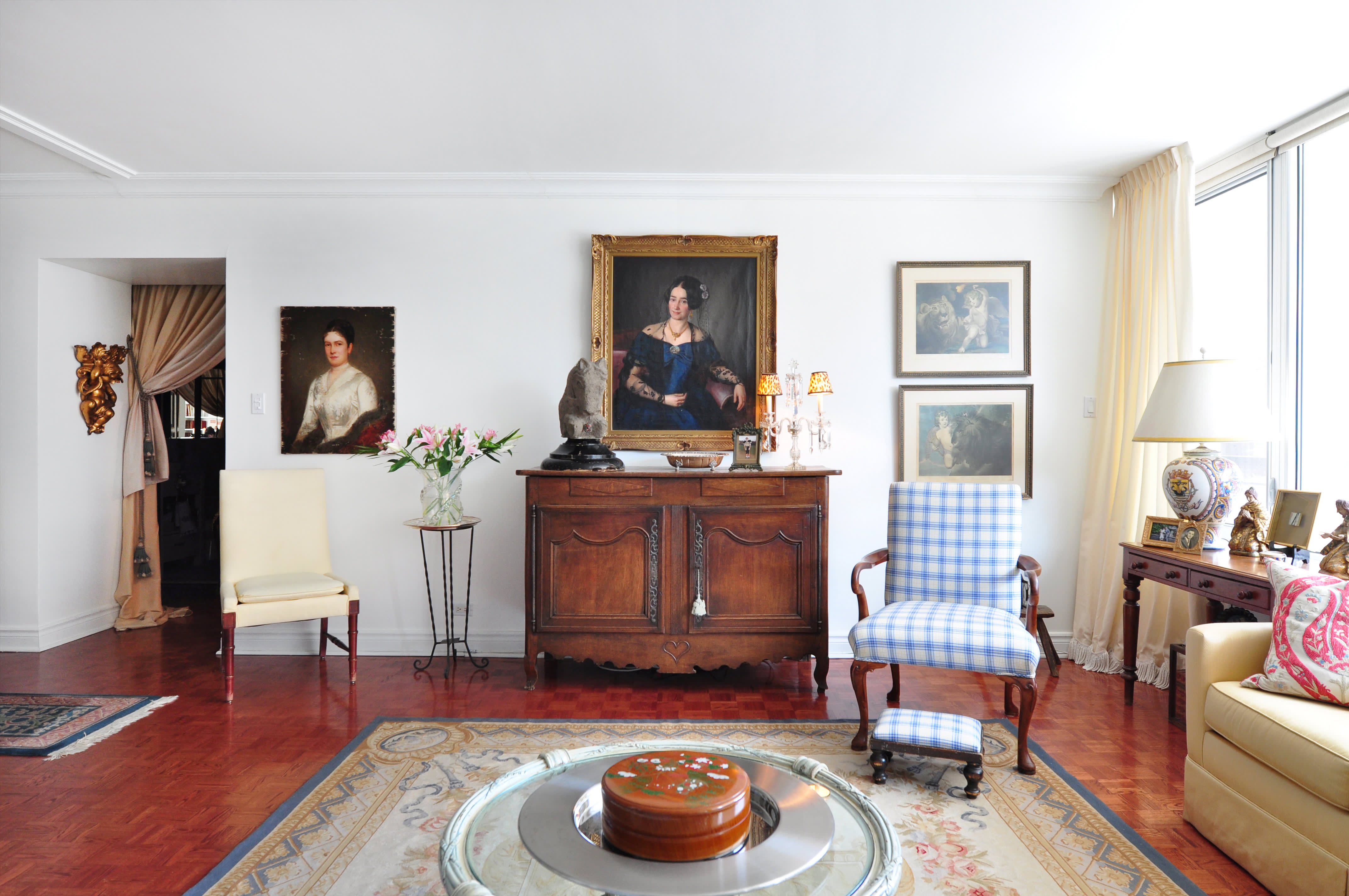
Using stylistically outdated elements often leads to visual clutter and a sense of unoriginality. A room loses its uniqueness, and attempts to impress result in a space that looks like a museum of past design trends. According to Ali Budd, a recognized interior design expert, “the main mistake is to sacrifice quality for visual effect.” Even experienced designers sometimes fall victim to fleeting fashions, only to regret it later. In practice, it turns out that a trend’s popularity doesn’t guarantee its longevity — short-lived design choices are difficult to adapt to changing needs.
The midcentury modern style, originating in the mid-20th century, was long seen as a symbol of elegance and simplicity. In the last decade, it experienced a true boom, becoming nearly essential in contemporary interiors. However, as Mark Schubert points out, “a house fully styled in midcentury modern spirit quickly turns into a lifeless copy lacking individuality.” His colleague Allison Hendler agrees: “When an entire interior is designed in one style, the sense of coziness and individuality is lost.” Today, designers recommend using selected midcentury modern elements, pairing them with neutral tones and modern materials to create a more balanced and lively atmosphere.
Chevron — a zigzag geometric pattern — reached the height of its popularity in the early 2000s. It was widely used in textiles, furniture, and décor. Designer Amy Elbaum recalls: “Chevron is a very bold and intense pattern that can be visually overwhelming.” In her view, such strong accents are difficult to combine with other styles and textures, and their overuse leads to a chaotic look. In modern interiors, experts suggest favoring calmer motifs and versatile textures that won’t tire the eye and will allow for easy updates to the overall design.
Ikat is a technically complex fabric with bright ornaments that once symbolized exotic flair and self-expression. Designer Michael Welch notes: “Today, I feel that the obsession with ikat made many spaces feel excessive — these fabrics just look too noisy.” His personal experience with Buddhist objects, such as a red Buddha-shaped chair, made him reflect on the importance of cultural respect. Welch admits: “When I understood the meaning behind this symbol, I realized I was wrong.” Today, professionals advise using ethnic accents delicately, maintaining harmony and avoiding the mindless imitation of another culture.
During the era of chrome finishes and glamorous accents, many designers became captivated by affordable yet unoriginal details. Ali Budd emphasizes: “The true value of an object lies not in its price, but in the authenticity of the idea.” Excessive shine, over-decoration, and fake luxury have become outdated both visually and conceptually. Kristi Turner believes that the modern approach is about simplicity, natural materials, and clean lines. Such choices not only look contemporary but also remain relevant for longer.
Velvet sofas in deep tones such as emerald or sapphire, along with classic Chesterfield poufs with deep button tufting, were once fashionable accents in recent interiors. However, according to Alicia Held-Morris, “cotton velvet quickly loses its appearance, stains easily, and shows every sign of wear.” Poufs and buttoned sofas are difficult to maintain — they collect dust and lose comfort over time. As an alternative, professionals recommend choosing more practical fabrics, using velvet sparingly, and placing Chesterfields in low-traffic areas.
A modern interior should remain individual, blending elements of different eras and cultures rather than copying someone else’s concept. Designers suggest following key principles: select high-quality, natural materials, maintain balance among shades, and don’t be afraid to experiment with details. Harmony is achieved by mixing textures, adding a touch of old trends reinterpreted in a modern way, and emphasizing practicality. This approach will help preserve the relevance of your space for years to come.
Experts are confident: timeless elements include solid materials, well-thought-out layouts, and harmonious color combinations. True interior success doesn’t come from blindly following fashion, but from a skillful balance between personal taste, ergonomics, and versatility. The best examples are often based on neutral palettes, simple forms, and carefully chosen accents that highlight the homeowner’s individuality.
Should we chase every new trend or design our spaces according to our own sense of harmony? The answer to this question is as individual as the concept of comfort itself. The key is to remember the value of mindful choices, appreciate and care for your living space, and not be afraid to listen to professional advice — creating an interior that remains timeless.
This material was prepared with the support of the website www.cricketbettingapps.com.in.