
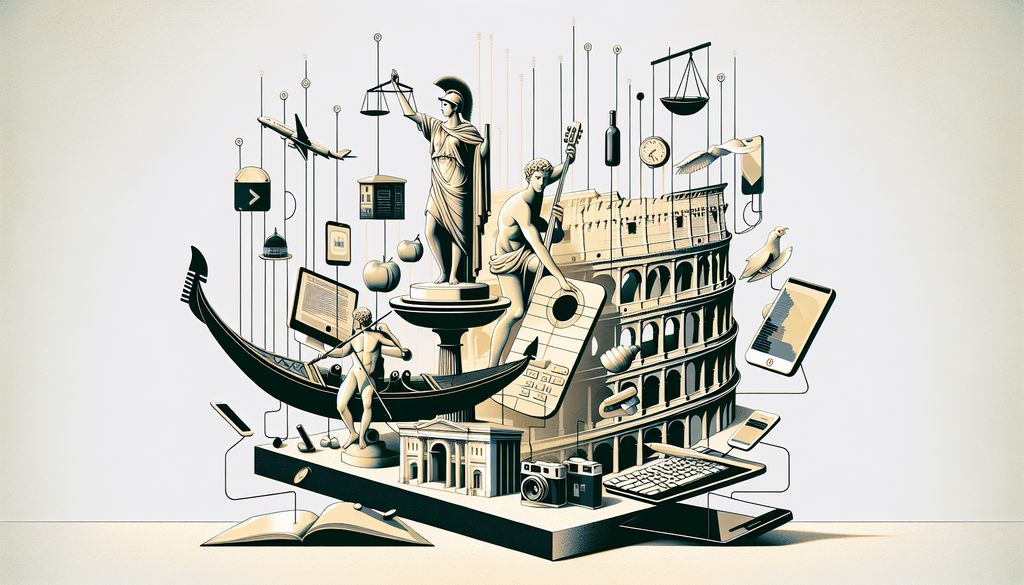
In a world where trends shift faster than ever and digital culture dominates how we communicate, many Danes and Swedes still find comfort in traditions that withstand time. While modern life floods us with new information every second, timeless rituals continue to anchor families and communities. Some of these cultural habits even intersect with contemporary leisure, where entertainment systems—from card games to online casinos—blend heritage with innovation. Much like how enthusiasts explore themes such as loyalty benefits to understand modern gaming behaviour, looking at Italian traditions tells us why rituals endure even in the age of social media.
Italian culture offers an excellent example of how traditions survive despite constant cultural shifts. From local dialects to regional dishes and holiday celebrations, these customs continue to flourish, proving that authenticity and community remain powerful even in a hyper-digital world.
Italian traditions have always been rooted in everyday gestures—small routines that carry emotional weight and a shared sense of belonging. Drinking a morning espresso at the local café, buying a newspaper from the same kiosk every week, or gathering the entire family for a Sunday lunch creates a rhythm that transcends generations.
These rituals persist even as lifestyles modernise. Younger Italians, raised in the era of Instagram and TikTok, still embrace festive traditions such as Christmas, Easter and Republic Day. They do so not out of obligation but because these practices create continuity, identity and familiarity in a world that often feels unpredictable and fast-paced.
For Danish and Swedish readers, this echoes their own cultural attachment to hygge, seasonal festivities and family meals — proving that when a ritual feels meaningful, it endures regardless of changing technology.
One of the most beloved Italian traditions is food prepared according to ancestral methods. “Cucina della nonna” — grandmother’s cooking — symbolises love, memory and identity. These recipes are typically made by intuition rather than written measurements. They connect families emotionally across generations.
In the age of social media, thousands of food bloggers compete to offer the “best tips,” yet none can replicate the authenticity of dishes shaped through family history. Restaurants rooted in traditional cooking still outperform trendy culinary experiments because diners crave flavour tied to heritage, not fleeting online trends.
Traditional cooking resonates strongly with Danish audiences as well. Danes value slow, homemade meals and recipes passed down from grandparents, making this Italian tradition easy to appreciate on a cultural level.
Italy’s linguistic diversity is another tradition that resists time. Each region—and often each town—has its own dialect. These expressions carry stories that cannot be translated, embodying centuries of local identity.
Despite national television, universal schooling and the homogenising influence of social media, dialects have not disappeared. In many places, young people use dialects daily—sometimes in modernised or playful ways—showing how cultural heritage adapts rather than fades.
For Danes and Swedes, who see similar dynamics in regional expressions, dialect survival reflects a broader truth: language is cultural memory, and communities preserve the words that matter most.
Throughout Italy, card games have always been central to social gatherings. Whether at family celebrations, community events or holiday evenings, Italians turn to classics like scopa, tressette, tombola and scopone. These games require little equipment, rely heavily on social interaction, and blend friendly competition with humour.
Despite the rise of digital entertainment, traditional card games retain a special charm. Their rules are simple, their atmosphere communal and their appeal timeless. Even online versions of these games — often popular among younger players — cannot fully reproduce the warmth of a physical table shared with friends and relatives.
This illustrates something Danish and Swedish readers understand well: technology can enhance leisure, but it cannot replace the emotional connection of shared physical experiences. Yet digital forms continue to evolve in parallel, as seen in contemporary studies of digital leisure evolution, which examine how Scandinavian entertainment habits blend tradition with innovation.
What makes traditions like Italian cooking, dialects and card games so resilient? Several factors explain their strength:
Traditions tied to family, memory and identity create bonds that resist the passing of time.
Shared rituals reinforce belonging — something social media attempts to mimic but can never fully replace.
While trends come and go, traditions remain meaningful because they speak to fundamental human needs.
Italian traditions evolve without losing their essence. Dialects modernise, card games move online, recipes appear in video tutorials — yet the core values remain intact.
This interplay between old and new is particularly relevant to Nordic audiences, who balance digital innovation with strong cultural identity. Just as Danes preserve their own traditions—such as seasonal festivals, communal meals and regional customs—Italians maintain rituals that bring stability and joy across generations.
Italian traditions demonstrate that heritage is not weakened by modernity — it is reinforced by it. Even as digital life accelerates, people seek meaning in rituals that offer grounding and continuity. Technology becomes a tool for preserving, sharing and celebrating what already matters.
Traditions endure because they express who we are, where we come from and what we value. They survive not by resisting change but by adapting to it gracefully.