
Big sporting events can transform search behavior within hours. Fans begin looking for match previews, betting markets, odds explanations, team news, and event specific promotions at much higher volumes than usual. For operators preparing for these spikes, specialized strategies such as https://seocasino.agency/industries-we-serve/seo-for-sportsbooks/ can help connect technical SEO, content planning, and search intent around major competitions. The challenge is making sure useful pages are already visible before demand reaches its peak.
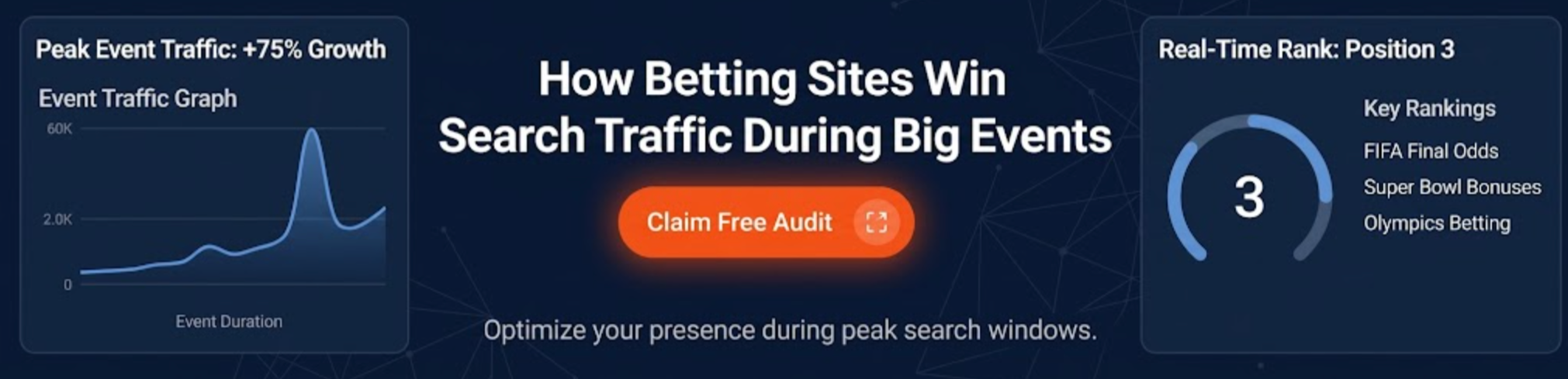
Publishing dozens of pages during the event itself is often too late. Search engines need time to crawl, index, and evaluate new content, especially on highly competitive betting queries. Strong sportsbook strategies therefore begin weeks or months before major tournaments. Evergreen pages can be prepared early and then updated as fixtures, teams, markets, and schedules become clearer.
Users searching during major competitions often have very precise goals. Some want upcoming fixtures, while others compare betting options or look for explanations of unfamiliar markets. Instead of creating generic event content, betting sites can build pages around separate intentions. This improves relevance and makes it easier to connect informational searches with commercial sections.
|
Event stage |
Common search interest |
SEO focus |
|
Before launch |
Schedule and teams |
Evergreen event hubs |
|
Early rounds |
Fixtures and markets |
Match specific pages |
|
Final stages |
Odds and predictions |
Updated commercial pages |
|
After matches |
Results and statistics |
Recaps and archived data |
Understanding these shifts allows operators to refresh the right pages instead of publishing unrelated material throughout the competition.
Large events often create many temporary and permanent URLs. Without a clear internal linking structure, important pages can become buried beneath news posts or older betting content. Operators can strengthen event hubs by linking related fixtures, team pages, betting guides, and market explanations together. A logical hierarchy also helps users move from general event research toward more specific betting information.
Event related pages can become outdated quickly, so regular updates are essential. Teams change, matches finish, schedules move, and available markets evolve. Important update tasks include:
Frequent maintenance keeps pages aligned with what users are actually searching for.
High demand can expose weaknesses that are less noticeable during normal periods. Slow mobile pages, broken navigation, indexing errors, or unstable servers may reduce both user experience and organic performance. Betting sites should test important event pages before traffic increases. Fast loading, clean mobile layouts, and reliable crawling help preserve visibility when competition is strongest.
Winning search traffic during major events usually depends on preparation rather than last minute publishing. Betting sites that build event hubs early, map changing search intent, maintain technical performance, and update content throughout the competition create stronger opportunities for organic visibility. This approach also leaves useful assets that can be refreshed when the same tournament returns in future seasons.