
Rich shades of burgundy and emerald, the contrast of matte velvet against the shimmer of metallic thread, bold geometric patterns and dramatic lighting that transforms an ordinary living room into a space with genuine character. All of this was once associated exclusively with casino halls, but over recent seasons it has firmly established itself in home décor. The entry point for the trend is most often fabrics: curtains, sofa and armchair upholstery, decorative cushions, and throws.
An important distinction must be drawn. This is not about recreating a slot-machine hall or literally copying Las Vegas aesthetics. The aim is more nuanced: to borrow the sense of composure, inner theatricality, and considered comfort for which the finest gaming lounges and venues are known — including online platforms such as casinos not on Gamstop.
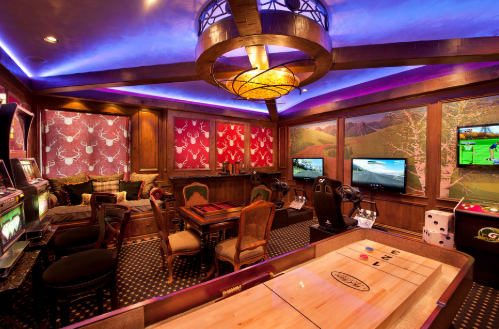
Fabric remains the first tactile surface a person interacts with in any interior. It is sat upon, touched, it catches and diffuses light, absorbs sound, and alters the perceived weight of a space. Unlike stone or paint, textiles are dynamic — responsive to the time of day, temperature, and lighting conditions.
This is precisely the instrument casinos use to manage atmosphere. Satin curtains reflect glints of light, velvet upholstery dampens noise, and heavy drapes make zones feel more intimate. Translating this logic into a residential interior is the essence of the trend.
The casinos of that era became showcases for a new vision of luxury. Their defining characteristics included:
Textures became more restrained. Suede, leather, and wool blends combined with walnut and brass gave interiors depth without excessive sheen.
Today's approach merges the decorative details of Art Deco with the tactile warmth of mid-century design and a strong emphasis on practicality. Durable velvet, faux leather, and jacquards woven with technical fibres make it possible to achieve the aesthetic without sacrificing everyday functionality.
Diamonds, fans, arches, and chevrons arrived from Art Deco for good reason. A geometric pattern creates rhythm and a sense of control, producing the very composure that gaming halls are celebrated for. In a contemporary home, such a pattern functions as a single strong accent rather than an all-over upholstery treatment.
What follows is a practical breakdown of five key fabrics. Each is presented with the same framework: effect, options, application, combinations, and an editorial note. The aim of the approach is to dose the atmosphere with precision.
Velvet absorbs light, softens sound, and adds a sense of privacy. A cotton version has a natural feel, a durable polyester version resists stains, and crushed velvet offers a play of shifting texture. A sofa in bottle green, floor-length curtains with blackout lining, a channel-tufted headboard — all of these pair beautifully with brass, jute, and clean-lined furniture silhouettes.
Velvet works best as an anchor: one substantial piece, with the tone echoed in smaller accessories.
These materials introduce a graphic quality and a sense of purposeful character. Bar stools, a bench, cushions with leather detailing, panelled headboards, or even insets on cabinet fronts — each of these applications feels unexpectedly fresh. Balance is achieved by pairing them with velvet or wool, matte black hardware, and minimal lighting.
Complex dark tones are preferable: espresso, charcoal, tobacco, aubergine.
Fabrics with a gentle sheen catch warm light and animate an evening interior. A satin curtain lining, jacquard with copper or silver accents, decorative fringed piping — all of these work well on cushions, ottomans, throws, and runners. The backdrop should be matte walls in calm tones, stone, wood, and dimmed lighting.
Metallic elements are best kept at a small scale: sometimes a single narrow line of shimmer is all that is needed.
Cut velvet, jacquards with diamonds and arches, and gold-on-black prints establish structure and serve as a focal point. An accent armchair, Roman shades, or a textile panel in a frame on the wall — that is sufficient. The surrounding pieces are best kept in plain upholstery with brass light fittings.
Precision in pattern matching at seams is critical: the design must read as visually continuous, without breaks.
Lined drapes in velvet or wool blends, double layers of sheer and heavy fabric, upholstered wall panels — all of these create quiet, privacy, and zoning. In a living room, bedroom, dining room, or home cinema, such fabrics work in concert with layered rugs, warm diffused light, and natural materials: oak, travertine, and aged brass.
Floor-length is essential; a slight puddle on the floor heightens the effect.
When every surface proclaims luxury, a room loses its balance. A few principles help maintain restraint:
Fabrics are the most accessible way to add depth to an interior, connect colour with light, and elevate the sense of quality without undertaking major renovation. Velvet, jacquard, a satin lining, or a heavy drape take effect faster than repainting walls and cost considerably less than structural alterations.
The atmosphere this approach creates is built from confidence, attention to detail, and a touch of theatricality. Restraint is maintained by a simple formula: targeted accents, a balance of textures, warm light, and one pattern per room.
This article was prepared with the support of https://1xbetcricketbetting.com/